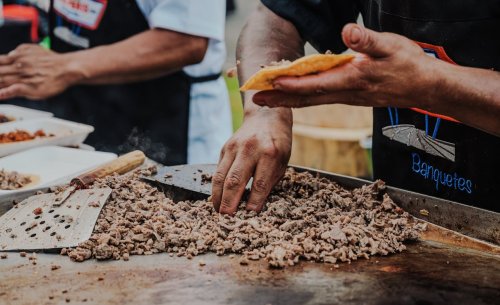
How Immigrant-Owned Restaurants Shaped Los Angeles’ Food Scene
Discover the historic immigrant-owned restaurants that helped define Los Angeles’ diverse and influential food scene.

Los Angeles’ food scene is not just a collection of cuisines; it is a living reflection of immigration, cultural exchange, and identity. From Mexican and Chinese to Japanese, Salvadoran, and Ethiopian communities, immigrant-owned restaurants have played a crucial role in shaping what Los Angeles eats today.
Many of these establishments began as small, family-run businesses, created by immigrants who arrived with little more than their recipes, work ethic, and a desire to preserve their culinary heritage. Over time, these restaurants did more than feed neighborhoods — they influenced generations of chefs, diners, and food culture across the city.
This article highlights some of the most historically significant immigrant-owned restaurants that helped define Los Angeles as one of the most diverse and influential food capitals in the world.
Kouraku: Introducing Japanese Ramen to Downtown LA
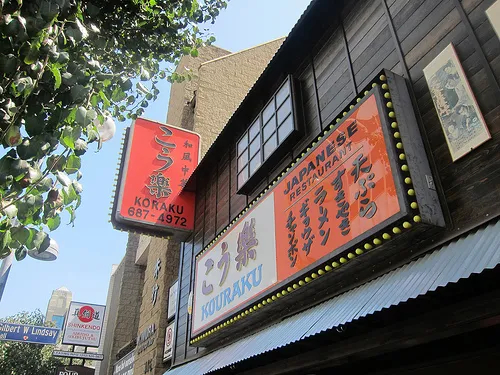
Located in Little Tokyo, Kouraku is one of the most important Japanese restaurants in Los Angeles history. Originally opened in 1976 and later acquired by Hiroshi Yamauchi in 1986, Kouraku helped introduce post-war Japanese-style ramen to a broader American audience.
At a time when ramen was still largely unfamiliar to many Angelenos, Kouraku offered comforting bowls of noodles that reflected Japan’s evolving ramen culture. Its iconic orange-and-white sign became a symbol of Little Tokyo, and in 2025 the restaurant was officially recognized with a historical landmark marker, cementing its legacy in LA’s culinary history.
Paul’s Kitchen: A Cornerstone of Chinese-American Cuisine
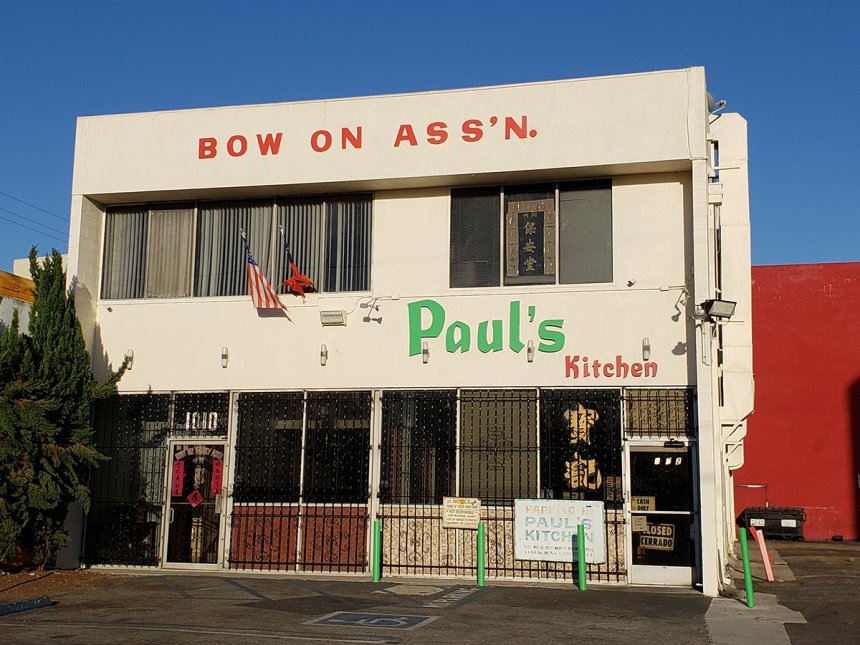
Paul’s Kitchen traces its roots back to 1946, when founder Paul Yee opened what was originally known as Paul’s Café. After relocating and rebranding in the 1960s, the restaurant became a cornerstone of Chinatown’s dining scene.
Paul’s Kitchen introduced many Angelenos to classic Chinese-American dishes such as chow mein, egg foo young, chop suey, and char siu pork. More than just a restaurant, it became a cultural hub for the Chinese-American community, representing a bridge between traditional Chinese cooking and American tastes during a formative period of LA’s food history.
El Cholo Spanish Café: A Mexican Food Pioneer
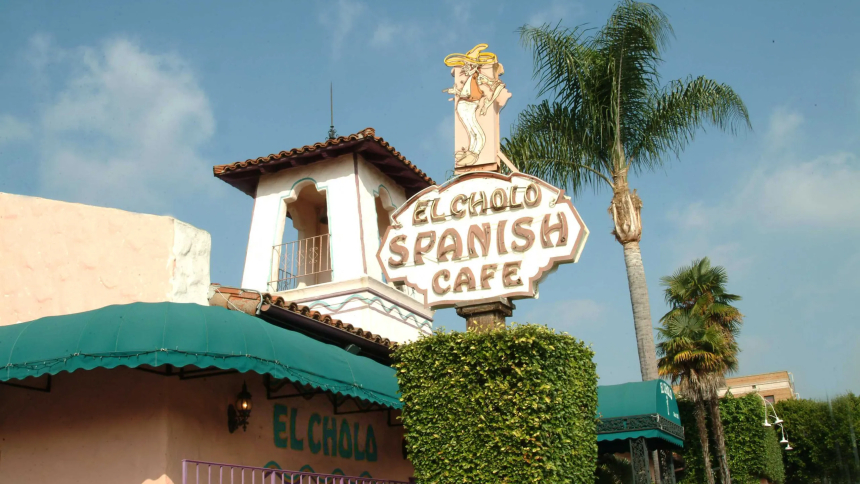
El Cholo is one of the oldest Mexican restaurants in Los Angeles, founded in 1923 by Alejandro and Rosa Borquez, immigrants from Sonora, Mexico. Originally called the Sonora Café, it was renamed El Cholo in 1925 and quickly became a destination for Mexican cuisine in the city.
The restaurant is widely credited with popularizing the burrito in Los Angeles and introducing nachos to the local dining scene in the 1950s. El Cholo helped establish Mexican food as a central pillar of LA’s culinary identity long before it became mainstream across the United States.
Mitla Café: A Gathering Place for Community and Culture
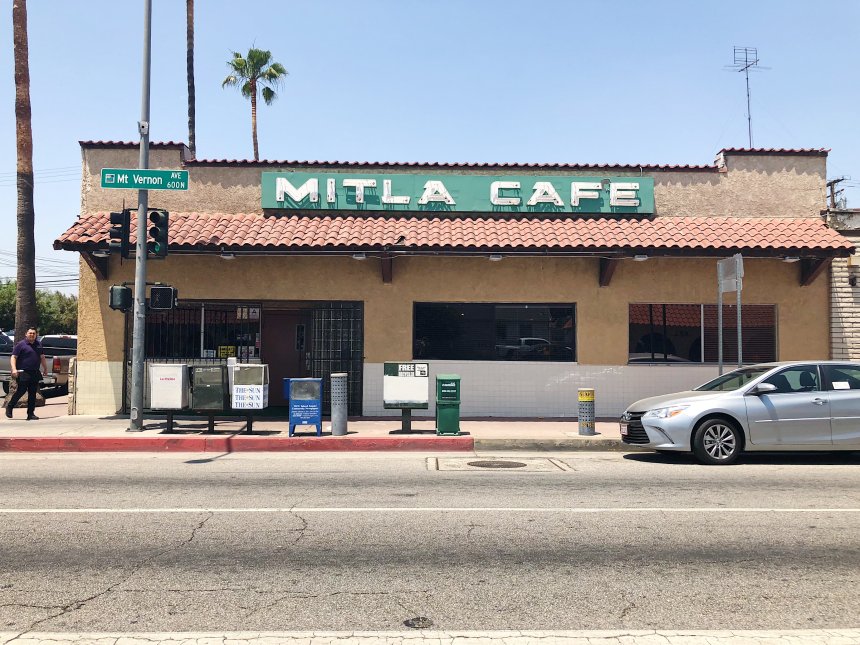
Opened in 1937 by Lucía Rodríguez, Mitla Café is one of the oldest Mexican restaurants in Southern California’s Inland Empire. Beyond serving traditional Mexican dishes, Mitla became a social and cultural meeting point for the Mexican-American community.
The café played an important role in civic organizing and community development, hosting conversations that eventually contributed to the formation of the Mexican Chamber of Commerce. Its influence extended beyond food, making Mitla Café a landmark of cultural resilience and community empowerment.
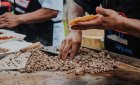
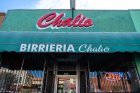
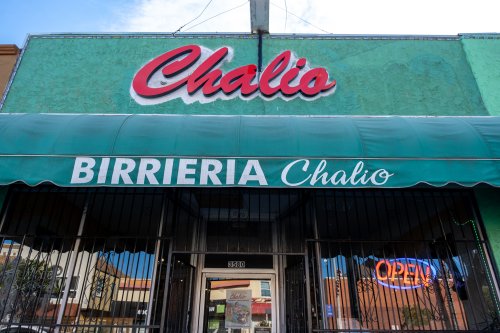
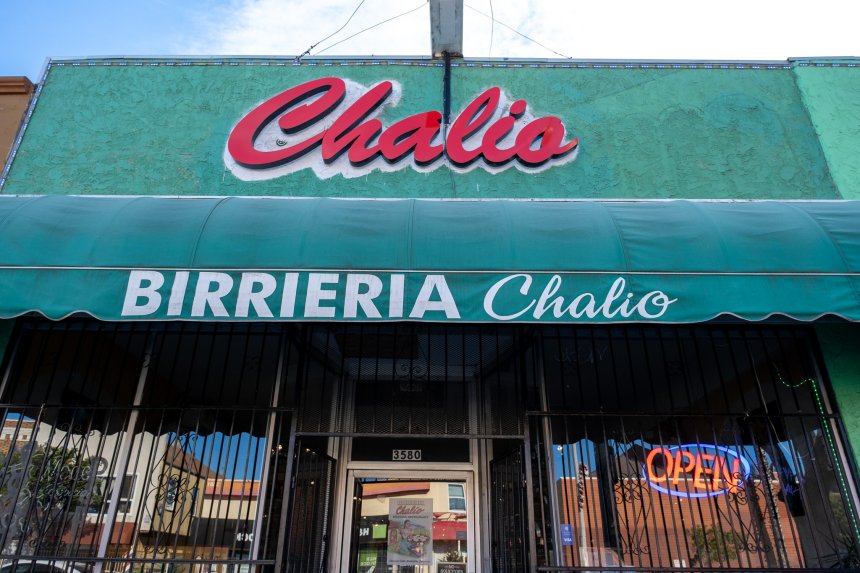
Birrieria Chalio: Preserving Traditional Birria in East LA
Founded in 1987 by Chalio Luis, an immigrant from Nochistlán, Zacatecas, Birrieria Chalio introduced Los Angeles to authentic goat birria long before birria became a viral food trend.
Chalio initially prepared birria using traditional methods, cooking the meat in underground pits behind his home. Today, Birrieria Chalio remains a beloved East LA institution, preserving family recipes and traditional flavors that laid the groundwork for birria’s modern popularity across the U.S.
Las Cazuelas: Salvadoran Cuisine and Identity
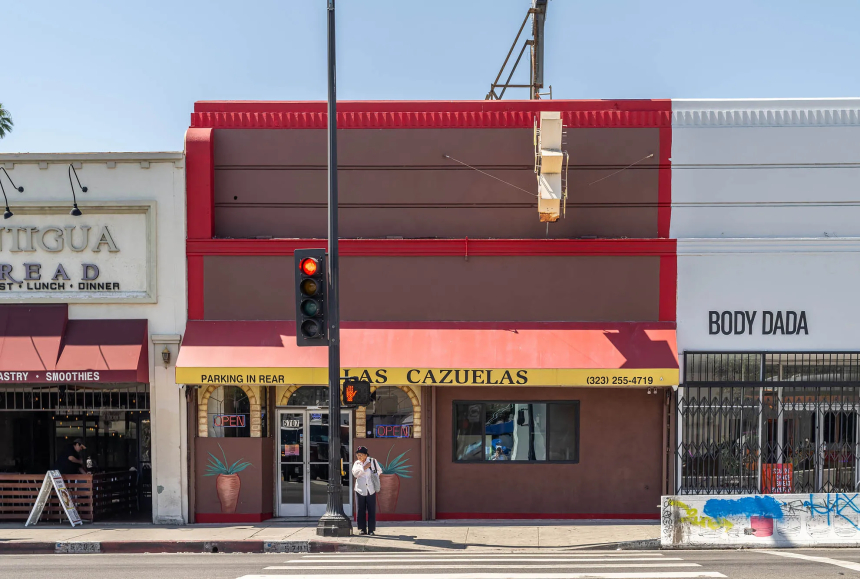
For over three decades, Las Cazuelas has been a pillar of Salvadoran cuisine in Los Angeles. Founded by “Mama Ney” and her family, the restaurant is best known for its handmade pupusas and comforting Central American dishes.
Las Cazuelas became a cultural anchor for the Salvadoran immigrant community, offering not only food but a sense of belonging. Despite gentrification and economic challenges, the restaurant has remained committed to preserving authentic Salvadoran flavors and traditions.
Rosalind’s Ethiopian Restaurant: The Birth of Little Ethiopia
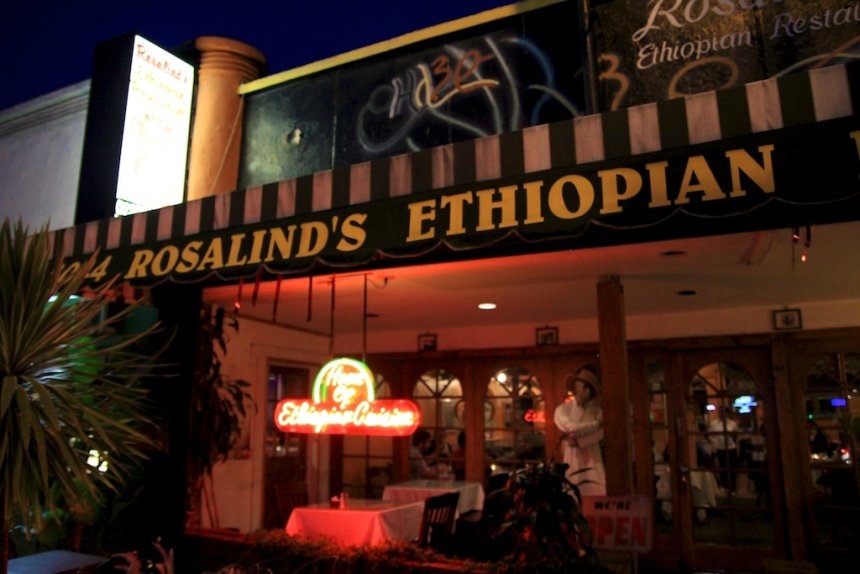
Opened in 1988 by Fekere Gebre-Mariam, Rosalind’s Ethiopian Restaurant was one of the first Ethiopian establishments on Fairfax Avenue. Long before the area was officially recognized as Little Ethiopia, Rosalind’s helped define the neighborhood as a cultural and culinary destination.
The restaurant introduced many Angelenos to Ethiopian cuisine, including injera, doro wat, and vegetarian platters, and played a key role in establishing Ethiopian food as an essential part of LA’s dining landscape.
More Than Restaurants: Cultural Legacy and Impact
These restaurants represent more than successful businesses — they are living archives of migration, identity, and cultural exchange. Each one contributed to making Los Angeles a global food capital by preserving tradition while adapting to new environments.
Immigrant-owned restaurants helped normalize diverse cuisines, influence fine dining and street food alike, and shape how Los Angeles eats today. Their stories remind us that food is one of the most powerful expressions of cultural identity.
Los Angeles’ culinary identity would not exist as it does today without the influence of immigrant communities. From ramen and birria to pupusas and Ethiopian stews, these restaurants laid the foundation for a city defined by diversity, creativity, and cultural fusion.
They are not only places to eat, but landmarks of history, resilience, and cultural pride — proof that immigration has always been at the heart of Los Angeles’ food scene.
Share
What's Your Reaction?
 Like
0
Like
0
 Dislike
0
Dislike
0
 Love
0
Love
0
 Funny
0
Funny
0
 Angry
0
Angry
0
 Sad
0
Sad
0
 Wow
0
Wow
0